Why a roof leak can return after a patch
The next rain arrives, and the same ceiling spot is wet again. A patch may have closed one visible gap while leaving another entry point, a failed roof connection or damaged material underneath. Understanding that difference matters before adding more sealant.
The patch and the opening are not always in the same place
The stain inside is the end of a water path. Rain can enter farther up the roof, travel beneath the covering or along framing, and finally drip where it finds an opening into the room. Patching directly above the stain may leave the original entry untouched.
The timing provides context too. A leak during wind-driven rain can involve a roof-to-wall connection that sheds ordinary rainfall but lets water behind the upper detail when rain is pushed against it. A leak around rooftop equipment can involve the roofing connection, the equipment itself or both. The inspection needs to distinguish those possibilities.
We trace the likely path from the visible symptom to the covering, flashing and adjoining details. Where the interior is safely accessible, it can help connect the two ends of the problem. Roof leak repair explains how that investigation becomes a defined repair area.
A repair has to join the roof around it
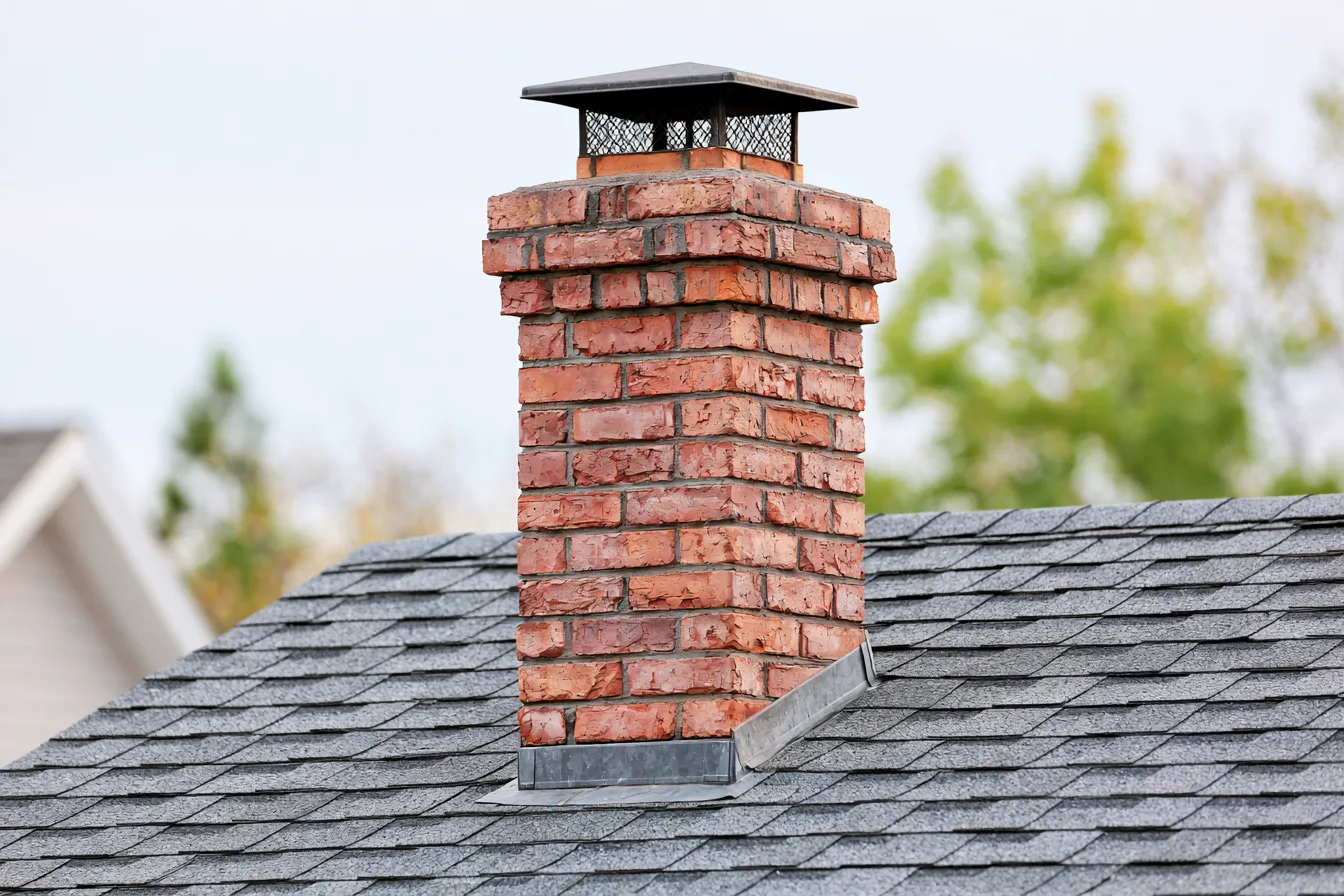
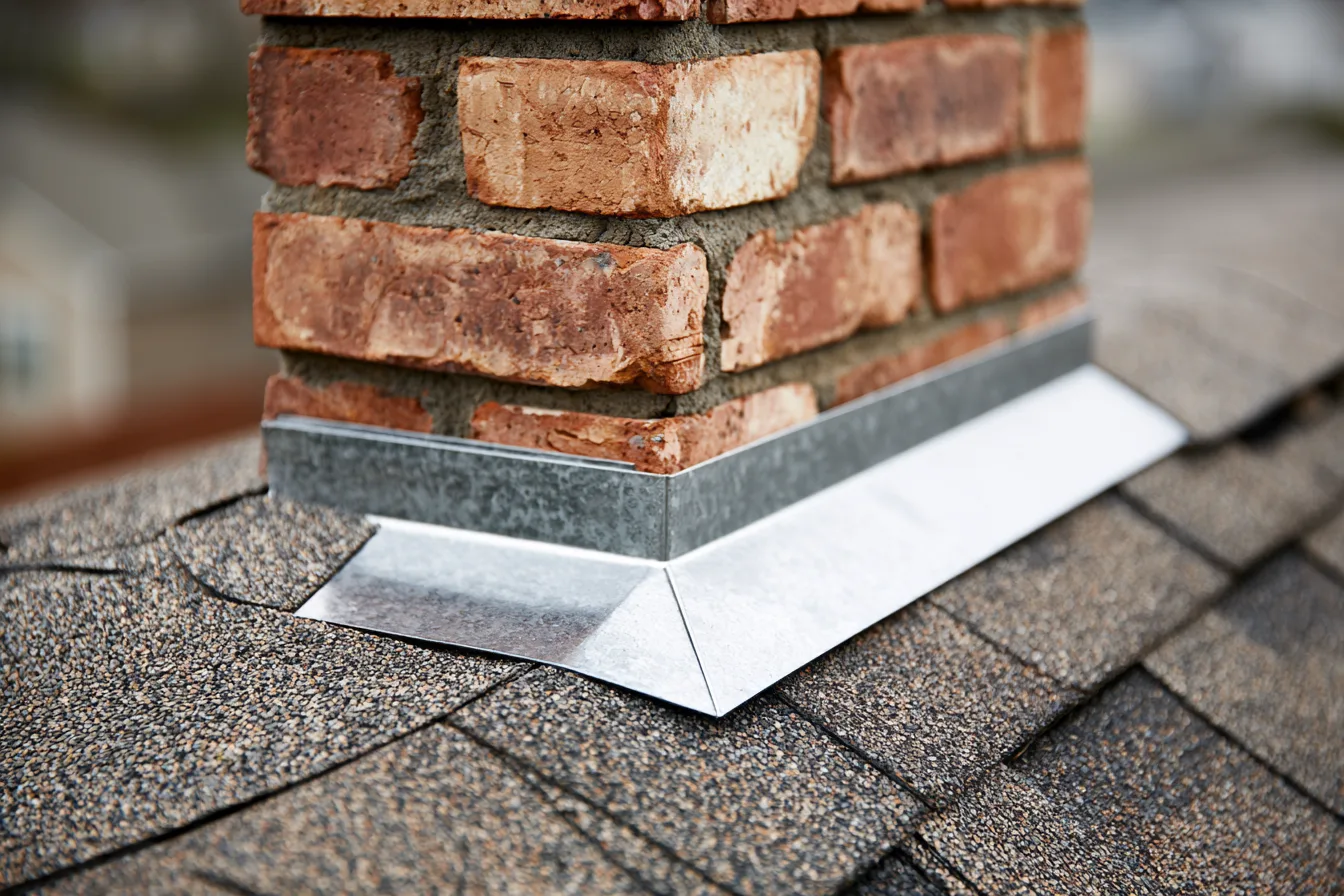
Roofing works through overlapping and connected layers. At a wall, step flashing is woven into the shingle courses, with an upper connection that keeps water from getting behind it. A bead of sealant on the outside cannot restore a missing or wrongly connected flashing piece beneath the covering.
Sealants also need the right material, preparation and joint conditions. A patch over loose, dirty or deteriorated material does not establish a sound connection. Movement can reopen a surface patch while the original layered detail remains unresolved. Flashing repair can require opening adjoining roofing to rebuild the joint rather than coating its exposed edge.
The surrounding material matters as much as the patch. Wet or deteriorated layers need to be identified, and the repair has to reach roofing that can accept the new work. A patch that stops visible water briefly does not show whether concealed damage has been addressed.
When repeated leaks change the bigger decision
A recurring leak does not automatically mean the whole roof must be replaced. One failed junction can remain repairable when the surrounding covering and deck are sound. The next step is to establish whether the previous work missed the source, used an unsuitable connection or stopped short of the damaged area.
Several unrelated leaks, shingles that break when lifted or deterioration continuing beyond the repair can change that decision. A wider scope may be needed to reach sound material and restore the roof system. Age contributes context, but the present condition and ability to make a sound connection determine the work.
If the leak returns, tell us where it appears and what was repaired before, using whatever information you already have. A free roof inspection can examine the failed area and the adjoining roof before another patch repeats the same approach.
A returning leak deserves another look at the cause.
Tell us where the water appears and what work has already been tried, if you know. Start with a free inspection of the leak and the roof around it.