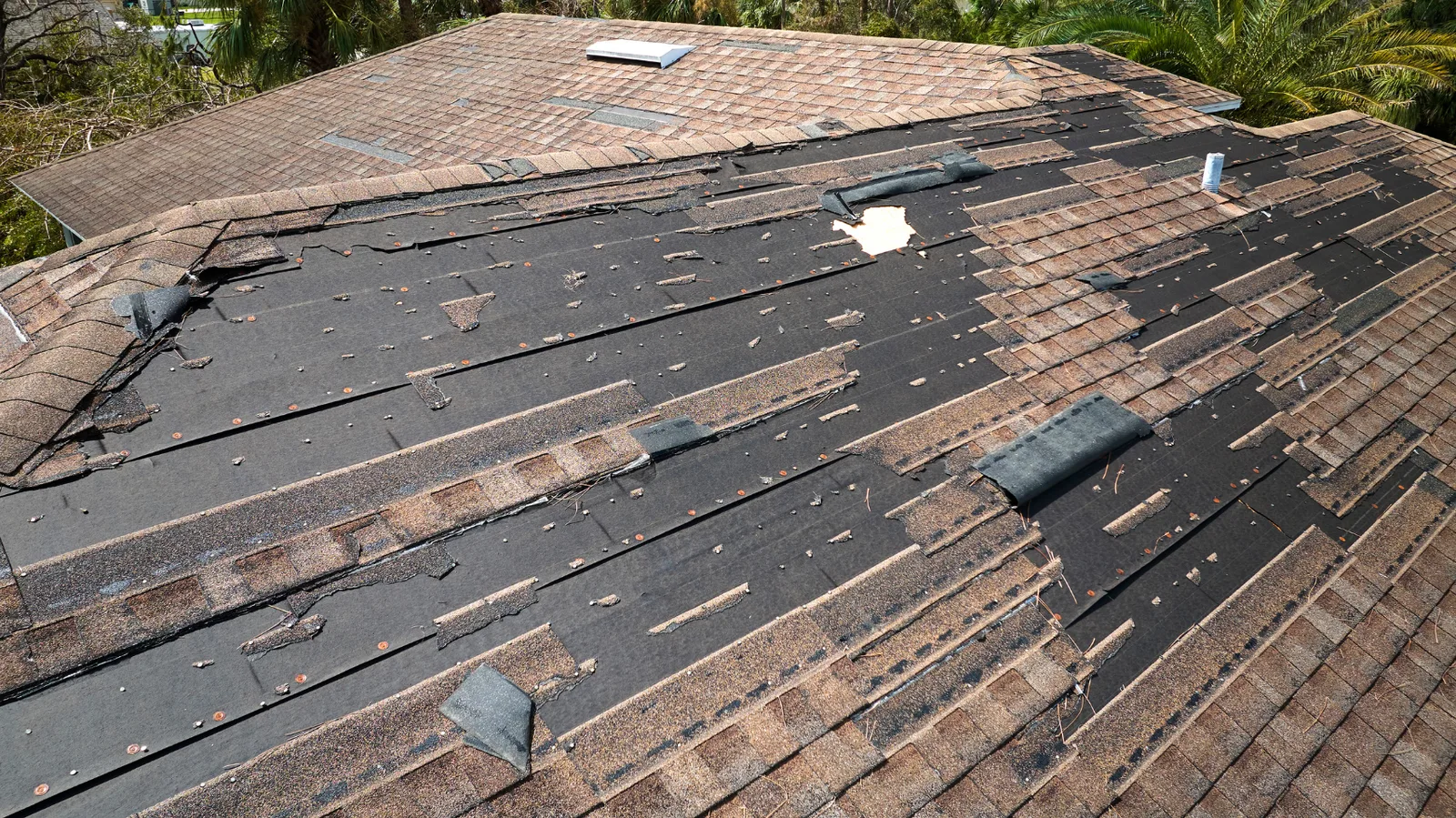
Roof insurance questions in Texas
Understand the roof damage, deductible and payment terms before treating a claim as a replacement budget. Texas guidance explains the different roles.
Understand the roof and the claim separately
An old roof and a storm-damaged roof raise different insurance questions. A roof can need work because it has worn out, while coverage depends on the cause of loss and the policy. The roofing inspection and the insurance decision therefore have different jobs.
We inspect the physical roof condition and explain the repair needs. The insurer evaluates coverage and payment under the policy. The Texas Department of Insurance roof guidance is the source for the coverage distinctions on this page, checked September 30, 2026.
A useful starting point is to separate three things: the work needed at the roof, the amount covered by the policy and the portion the property owner pays. An insurance payment is not automatically the full cost of every roofing improvement.

Roof condition and insurance coverage answer different questions
For wind or impact concerns, storm damage repair explains the physical roof assessment. Roof wear alone does not become a covered storm loss because replacement would be useful.
How a Texas roof claim payment is built
TDI’s replacement cost and actual cash value explanation distinguishes the basis of payment. The specific policy controls which applies.
- Deductible
The deductible is the policyholder’s portion of a covered loss. It is separate from the cost to repair the roof and remains part of the claim calculation even when the damage is covered.
- Actual cash value
Actual cash value accounts for depreciation based on factors such as age and condition. It can leave the owner with a larger gap between the insurance payment and the cost of new roofing, in addition to the deductible.
- Replacement cost and depreciation
A replacement-cost policy can pay eligible replacement costs subject to its terms. Payment may arrive in stages, with depreciation initially withheld and a further payment dependent on the policy’s repair and documentation requirements.
- Work outside covered scope
A different material, extra work or damage outside policy coverage can affect what the owner pays. The replacement cost guide gives planning context for the project itself, separately from the insurance settlement.
Keep urgent roof protection separate from claim timing
- Active water needs a safety response
Keep clear of wet electrical areas and sagging ceilings. Reasonable temporary protection can limit further damage when it can be done safely. Reporting a claim does not repair an open roof.
- Keep the claim roles clear
Report the concern promptly to the insurer and follow the policy’s requirements. In Texas, a contractor doing the roofing work cannot also act as the public adjuster on that claim. TDI’s roofing and insurance rules explain that boundary and the prohibition on deductible waivers.
Roof insurance FAQs
Does insurance replace an old roof?
Not simply because it is old. Coverage depends on a covered cause and the policy. Wear and deterioration can create a real roofing need without creating a covered insurance loss.
What does actual cash value mean for a roof claim?
It means the covered payment accounts for depreciation, rather than treating the old roof as new. That deduction and the deductible can leave a gap between the claim payment and the replacement project price.
Can a contractor waive my deductible?
No. Texas law prohibits a contractor from offering to waive, rebate or absorb the property policyholder’s deductible. TDI explains the deductible requirement and the insurer’s ability to request proof of payment.
Does a Class 4 shingle guarantee an insurance discount?
No. Some insurers offer discounts for qualifying impact-resistant products, but eligibility, documentation and the amount depend on the insurer and policy. A product test rating is not a promise that the installed roof will avoid damage or receive a particular premium reduction.
Get the roof condition explained.
Request a free inspection for the damage or leak you have noticed. Direct coverage and policy-payment questions to your insurer.